When it comes to hearing loss prevention, most people know it’s important to protect their ears—but the specifics of what can cause hearing loss are often unclear.
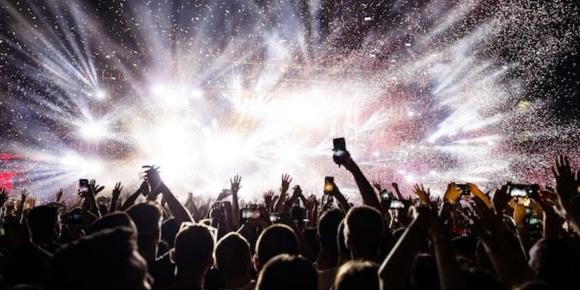
For example, we all know that loud sounds can damage our ears, but what about going to a concert? Will one concert a year affect your hearing? What about weekly lawn mowing or weed whacking?
Let’s take a closer look at how hearing loss happens and, more importantly, how to prevent it.
How Sound Works: A 30-Second Explanation
When a sound occurs near you, a complex chain reaction takes place inside your ear:
1. The outer part of your ear (the pinna) catches sound waves.
2. These waves travel down the ear canal and hit the eardrum, causing it to vibrate.
3. The vibrations engage the middle ear—home to the body’s smallest bone, the stapes—which amplifies the sound and passes it to the inner ear.
4. In the inner ear is the cochlea: a snail-shaped, fluid-filled organ lined with tiny hair cells (called cilia).
5. Vibrations cause waves in the cochlear fluid, which bend the cilia, generating electrical signals.
6. These signals are sent through the auditory nerve to the brain, where they’re interpreted as sound.
How Hearing Damage Happens In a Nutshell
The louder the sound, the stronger the vibration. When powerful sound waves reach the inner ear, they can bend the cilia too far or too fast.
Think of it like wind blowing a tree—light wind makes the tree sway; a storm might break it.
• Sudden loud sounds (like fireworks) can instantly damage hair cells.
• Prolonged exposure (like noisy work environments or age-related changes) gradually wears them down.
And here’s the key: once hair cells are damaged, they don’t regenerate. Hearing loss from this type of damage is permanent.
So How Loud Is Too Loud?
We know sounds above 85 decibels (dB) can be harmful with prolonged exposure—but what does that actually mean in real life?
Here’s a quick breakdown:
• Normal conversation: 60 dB
• Heavy city traffic: ~85 dB
• Lawn mower: ~90 dB
• Rock concert: 100–110 dB
• Fireworks/gunshot: 120–150 dB
Rule of thumb: If you need to shout to be heard, it’s too loud—protect your ears.
Other everyday sounds above 85 dB include:
✓ Vacuum cleaner
✓ Blender
✓ Hair dryer
✓ Garbage disposal
✓ Power tools
✓ Busy restaurants
✓ Trains
How to Protect Your Ears: Practical Tips
1. Limit Exposure to Loud Noises
While you can’t always avoid loud environments (concerts, clubs, construction sites), try to reduce your time in them when possible.
2. Use Hearing Protection Devices
Choose the type that best fits your needs and lifestyle:
• Over-the-Counter Earplugs
Great for occasional exposure—like a concert or sporting event. Look for plugs with a Noise Reduction Rating (NRR).
Most are one-size-fits-all and may be single-use. Proper insertion is key! Stop by Clark Audiology if you’d like us to check the fit.
• Custom Earmolds
Ideal for frequent concert-goers, musicians, or those with regular loud sound exposure. These are custom-molded to your ear canal, providing a tailored fit and protection while still allowing you to hear music or speech clearly.
• Protective Earmuffs
(Not the furry winter kind!) These are designed to block loud, consistent noise—perfect for lawn mowing, power tools, or industrial environments.
3. Keep the Volume Down
Be mindful of volume on TVs, smartphones, and especially earbuds/headphones. Many devices now offer volume-limiting settings or noise exposure warnings—use them! Also, consider switching to over-the-ear headphones instead of in-ear models, and take listening breaks during long sessions.
Want to Take It Further? Get a Hearing Test
The best way to take charge of your hearing health is to schedule a baseline hearing test with an Audiologist or Hearing Instrument Specialist (HIS). At this appointment, they will:
• Discuss your lifestyle and exposure risks
• Test your current hearing levels
• Recommend customized protection solutions for your needs
Already Have Hearing Aids? Here’s What to Know
Hearing aids are not hearing protection.
They amplify sound—they don’t block it. Some models do have noise reduction features, but they’re not a substitute for true hearing protection in loud environments.
And if you’re thinking, “But I already have hearing loss—why bother?”
Here’s why: To protect the hearing you still have.
Noise exposure can further damage the remaining healthy hair cells, potentially making your hearing loss worse.
So… Can One Concert a Year Cause Damage?
The answer: Yes. It can.
Will it? Maybe, maybe not.
But is that a chance you want to take?
Your hearing is precious—and once it’s gone, it’s gone.
So be proactive, wear hearing protection, and enjoy the sounds of life!